.svg)
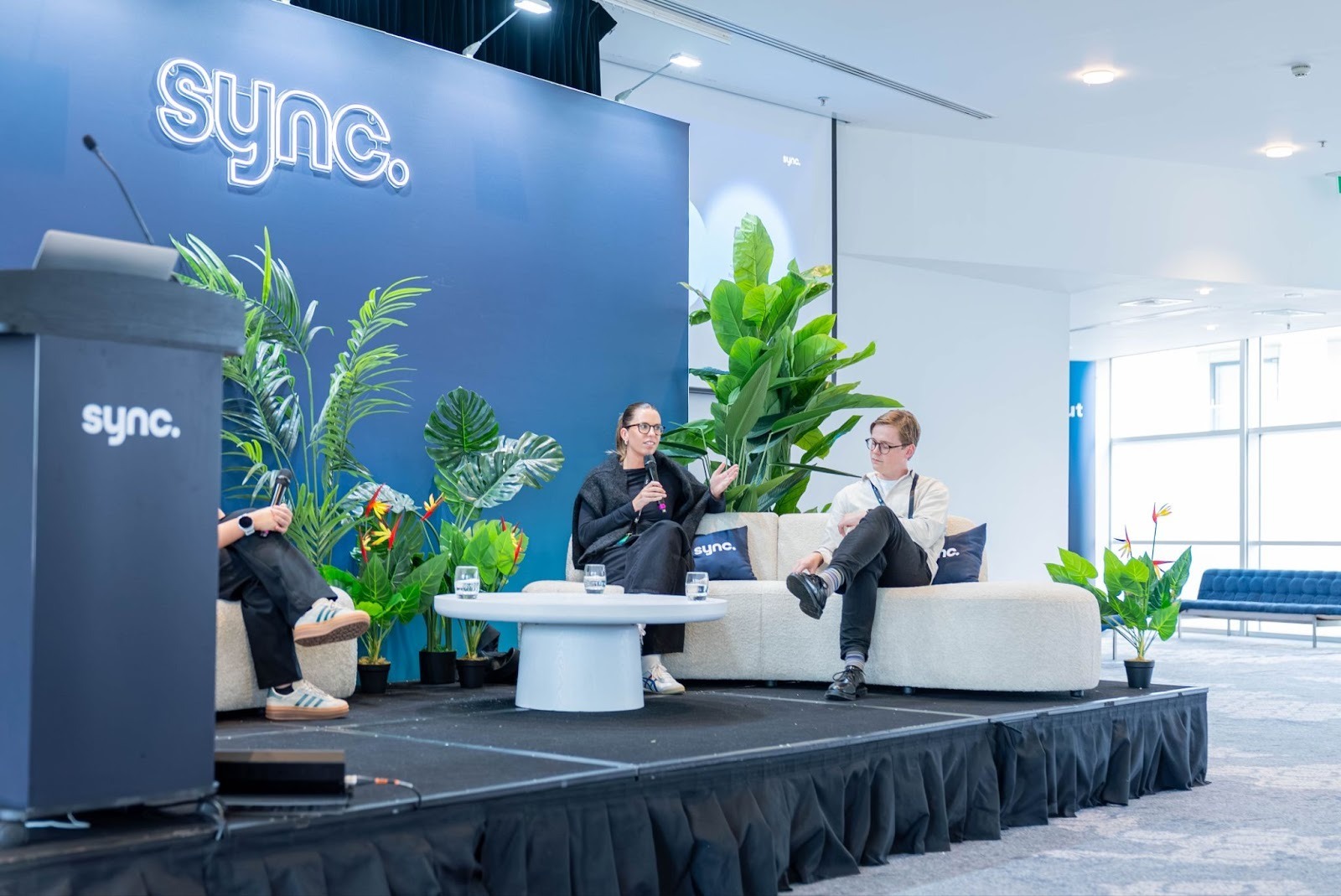
For anyone looking to turn personalisation into something more tangible than a marketing buzzword, this session at sync was one not to miss. In what felt like a genuinely practical and insight-rich conversation, Brina Skof, Marketing Automation Lead at Loop Earplugs, Jack Johnson, Senior Partner Manager at Klaviyo, and Megan Chillmaid, Head of Customer Engagement at Visualsoft, unpacked how Loop is using connected commerce to close the gap between data and experience - and, in doing so, transform how they engage customers across every touchpoint.
The challenge many retailers face isn’t necessarily a lack of tools, it’s that those tools rarely talk to each other. Disconnected platforms, fragmented data, and one-size-fits-all journeys often result in experiences that feel flat or irrelevant.
This session showed how Loop is tackling that by aligning systems, channels, and content to deliver experiences that are timely, meaningful, and actually personal.
If you’re trying to unify your own strategy and build engagement that genuinely resonates, this was definitely a session worth revisiting.
Beyond basic personalisation: Loop’s unique challenge
For Loop Earplugs, personalisation isn’t straightforward. As Brina explained, “Everyone who’s familiar with Loop Earplugs, you’ll know that our product portfolio is very small, essentially five core earplugs and a couple of accessories. But our use cases are really broad.”
That’s where the complexity lies. The same earplugs might mean completely different things to different people. Someone with sensory sensitivity, a light sleeper, or a festival-goer.
“That's been a really big challenge on personalisation,” Brina said. “We’re on a mission to make those journeys more personal. But to do that, we need data that’s centralised and structured in a way we can actually use.”
Shopify provides the commerce backbone, and Klaviyo brings everything together. “It’s really important for us to enrich those customer profiles,” Brina added, “by layering smart integrations that help us tailor communications in a more relevant way.”
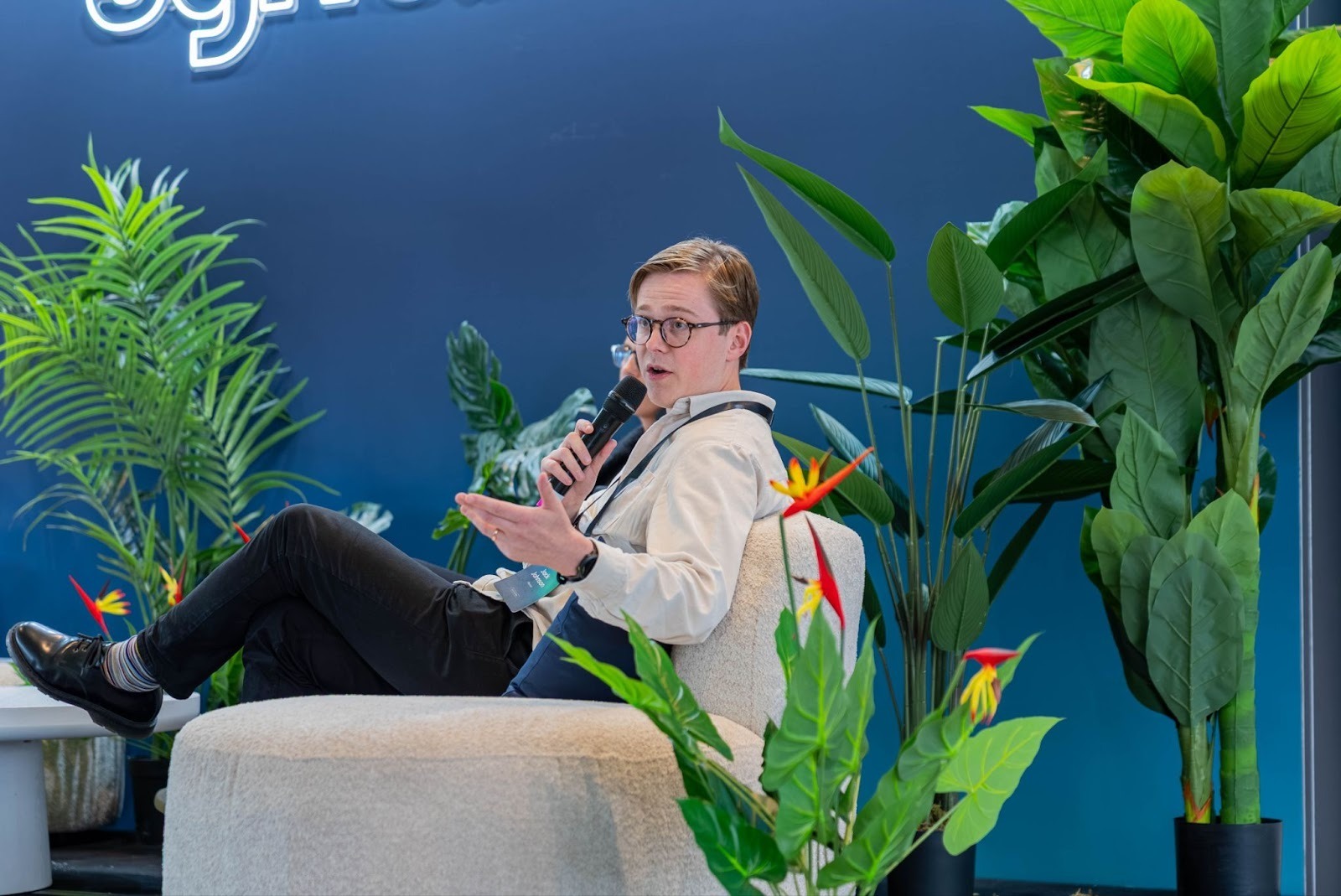
Jack Johnson took it further: “The easiest way to think about personalisation is through the actual content itself, how you tweak it depending on who you’re speaking to.”
But, as he quickly pointed out, just inserting a first name into an email isn’t enough anymore. “You’re not going to build emotional resonance that way. You need to go above and beyond.”
Klaviyo’s approach is to meet customers wherever they wish to be met, and that goes well beyond email. “You could utilise SMS, WhatsApp, push notifications... What we see as true personalisation is clearly defining how you’re speaking to each subsection of your audience, not only in the content, but in the medium itself.”
Jack also mentioned Klaviyo’s recent acquisition of gatsby.ai, a tool expanding outreach across platforms like Instagram and TikTok. “All of the data you learn about a customer, you can feed back into the Klaviyo CRM... and use it to re-engage in smarter ways.”
Quizzes, preferences, and past purchases: First-party data in practice
First-party data isn’t just a compliance box to tick; it’s the foundation of real personalisation. For brands like Loop Earplugs, this data is what drives both engagement and conversion.
Brina explained it simply: “First-party data is absolutely essential for personalisation.” To collect it effectively, the team has found creative ways to make it feel natural:
- ‘Help Me Choose’ quiz on Shopify (via QuizKit): It acts as both a lead generation tool and a way to capture high-intent shoppers. By understanding why someone is browsing, Loop can trigger more relevant welcome flows that convert better, since it already understands intent.
- Pop-ups with purpose: Yes, there’s a 10% discount offer, but customers are also asked why they’re shopping. “That one small question gives us huge context,” Brina noted. It enables meaningful segmentation right from the start.
- Seasonal segmentation: The festival season is a major driver for Loop. They’re official partners of Coachella and Tomorrowland, but instead of blasting festival content to everyone, they send a plain-text opt-in email that feels personal, almost conversational.
“It literally looks like it was sent from my iPhone,” Brina laughed. The results? A self-selected, highly engaged segment that wants to hear more.
When data meets common sense
On a completely different note, Jack shared a standout example from Fish Market, a UK-based eCommerce brand that delivers fresh seafood directly to customers. Their personalisation strategy hinges on two core data points:
- Culinary confidence (your “propensity as a chef”)
- Purchase history
By understanding whether someone’s confident in the kitchen or more of a beginner, Fish Market can recommend the right products, anything from scallops to ready-to-cook boxes.
“When you can overlay that with your past purchases,” Jack added, “that’s when it really works.”
It’s a good reminder that personalisation doesn’t have to be over-engineered. Sometimes, it’s simply about using the data you already have and doing so thoughtfully.
Watch Loop Earplugs and Klaviyo’s session from Sync 2025 on demand.