.svg)
Metrics like ROAS and site performance get all the attention. They look great on dashboards. They make for tidy reports. But two sharp sessions at Sync 2025 revealed what most brands still miss: the hidden systems behind your storefront might be quietly draining profits, or holding back growth altogether.
In ‘Beyond ROAS: Fixing Broken Data and Uncovering True Profitability,’ speakers from Leaf and StoreHero lifted the lid on the high cost of poor data quality and broken tracking - issues that quietly undermine even the smartest AI-driven ad platforms.
Meanwhile, ‘The Growth Engine You Can’t See (But Can’t Scale Without)’ from Brightpearl by Sage and Visualsoft turned the spotlight to the operational side of eCommerce, the unglamorous back-end systems that decide whether a brand can actually scale.
Together, these sessions made a simple but uncomfortable point: real growth takes more than clever marketing. It depends on clean data, connected systems, and a back-end that doesn’t buckle under pressure.
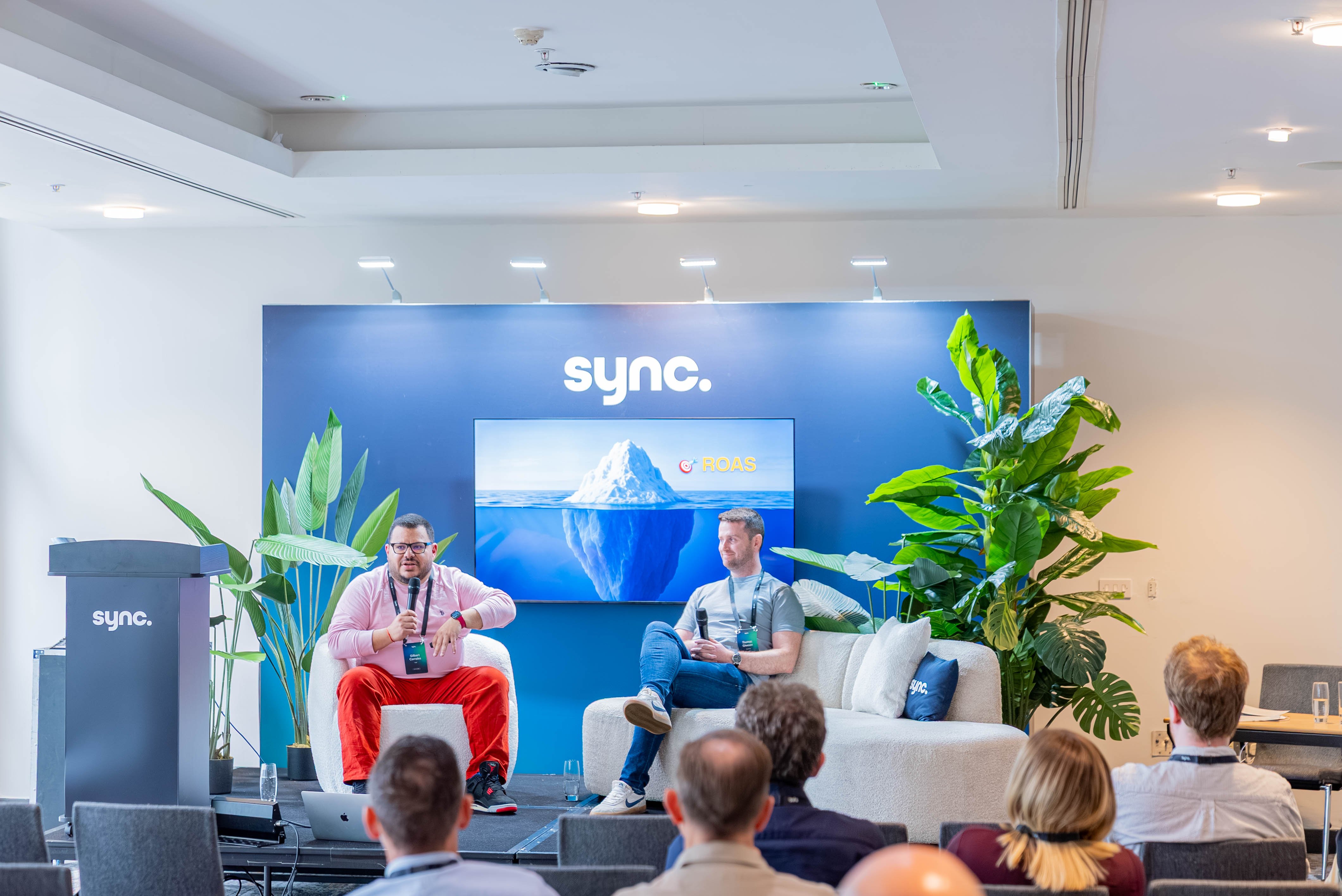
Beyond ROAS: Fixing Broken Data and Uncovering True Profitability
Too many eCommerce brands still measure success through the wrong lens. ROAS looks impressive in isolation, but as Gilbert Corrales, Founder & CEO at Leaf, explained, it often hides what’s really happening beneath the surface.
“It’s the bottom of the iceberg,” he said. “It’s the stuff most people in the business don’t talk about, things like contribution margins.”
Gilbert’s point was to the point: marketing can’t exist in isolation. “It’s about understanding your sell-through and how that connects back to your merchandising strategy.”
And the data he shared was, frankly, alarming. “We just audited over 2,000 top eCommerce stores in the UK. 95% had broken or incomplete conversion tracking.”
That stat alone stopped people in the room. If 95% of brands are operating with unreliable data, then every automated system built on that data - Meta Advantage+, Google Ads, whatever it may be - can’t perform at its best. “The machines,” Gilbert warned, “are only as good as the data they get.”
Why Contribution Margin Matters More Than ROAS
Thomas Gleeson, Co-Founder at StoreHero, broke it down simply: “Contribution margin is your profitability after marketing spend.”
He believes a shift is happening. “There’s a new type of marketer emerging, someone more financially minded. eCommerce isn’t just a marketing exercise anymore; it’s a numbers game wrapped in a marketing cloak.”
It’s a compelling way to put it, and he’s right. The last few years have tightened margins across the board. “The margin for error in eCommerce has started to slim,” Thomas added.
For him, profitability should be measured weekly, not monthly or quarterly. “If the sole aim of your business is to drive profitability, then you have to track it regularly. It’s not optional anymore.”
The key takeaway? True performance marketing starts with finance. Brands that align creative, spend, and operations around contribution margin, not just ROAS, will be the ones that last.
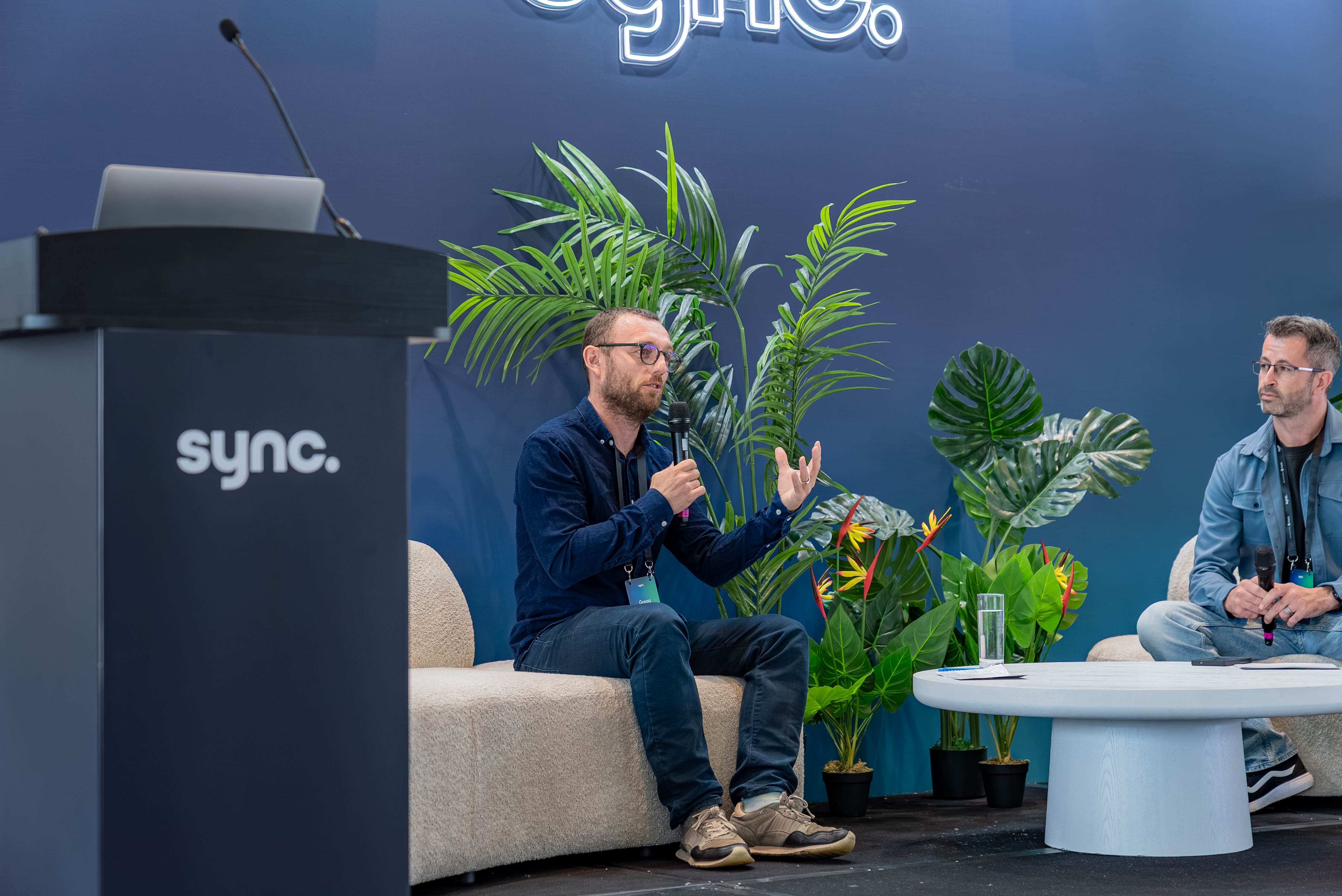
The Growth Engine You Can’t See (But Can’t Scale Without)
While sleek storefronts and marketing campaigns get all the spotlight, the real growth engine sits behind the scenes. This was the core of the conversation led by Gregg Thompson, Account Executive at Brightpearl by Sage.
Gregg acknowledged that “automation” has become a bit of a buzzword, but said that at its core, it’s about something much simpler:“It’s eradicating manual processes, removing duplication, and cutting out places where human error creeps in.”
He gave a simple example that hit home: “Let’s say you sell 100 orders in a day. How do you fulfil them efficiently? Some businesses still print pick lists manually. But an ERP should automate that - printing labels, processing the 99% of orders in stock, and flagging the few that need extra attention.”
It’s the kind of detail that sounds mundane, until you realise it’s where scaling starts or stops.
The session’s takeaway was refreshingly pragmatic:- Automation eliminates friction and human error.
- Real-time data connects systems, so problems surface early.
- Operational efficiency creates breathing space for growth.
As Gregg summed it up, “Growth starts when operations stop getting in the way.”
Watch every moment from Sync 2025 on demand now.